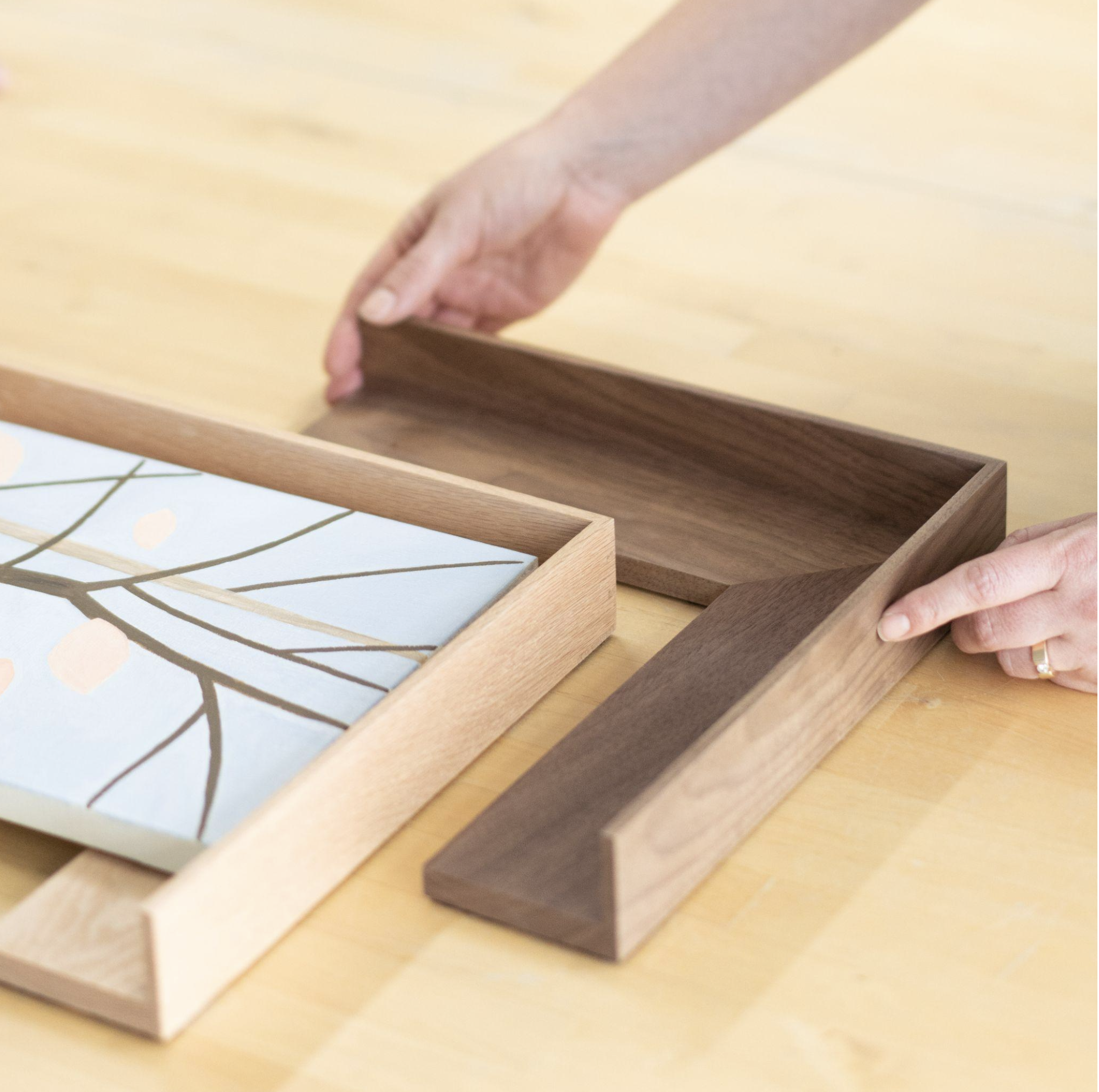
When collectors purchase a work of art, most of the attention is understandably focused on the artwork itself. But once the piece arrives, a new question emerges: how should it be framed?
For many first-time collectors, framing can feel like an unexpected expense. After investing in the artwork, it can be tempting to treat framing as an afterthought or simply choose the least expensive option available. But framing isn't just decorative. Done well, it protects the artwork, preserves its value, and allows you to live with it as it was intended to be seen.
The difference often lies in details that aren't immediately visible: the materials used behind the artwork, how the piece is attached in place, the quality of the glazing, and whether the framing can be safely reversed in the future. In other words, museum quality framing isn't about making your home look like a museum. It's about protecting the artwork. By using conservation-grade materials and techniques that help prevent damage from light, acidity, and the natural effects of time, these behind-the-scenes decisions can have a significant impact on how an artwork ages and whether it remains stable for decades or slowly deteriorates.
Whether you've purchased your first work on paper or are building a collection, understanding a few basic framing principles can help you make informed decisions, protect your investment, and enjoy your artwork for years to come.
Here are five principles we at DDG believe every collector should know.
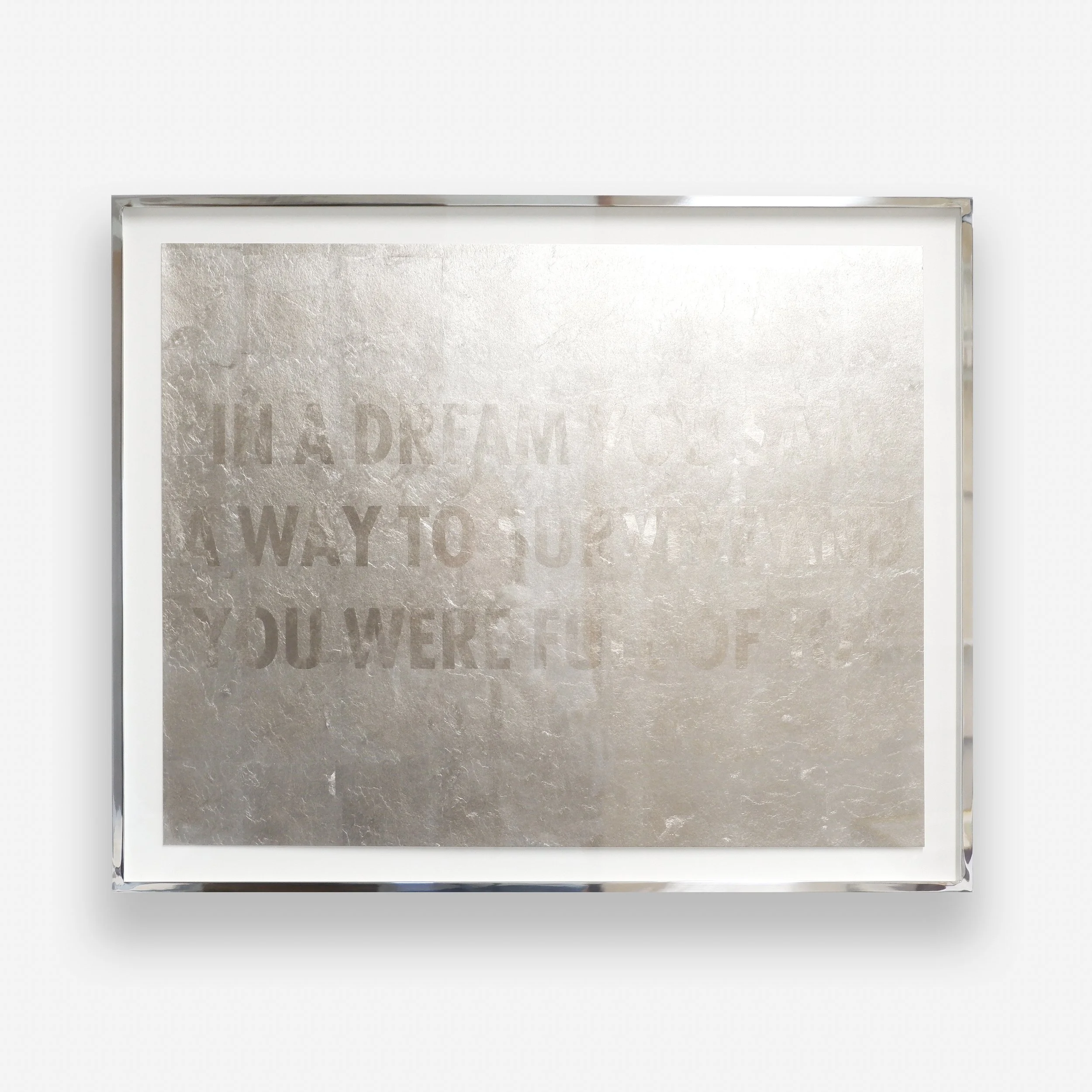
Jenny Holzer
In a Dream, 2020
1. Let the Art Speak First
The best framing draws attention to the artwork, not the frame.
A successful frame supports the artist's vision and provides context without competing for attention. In contemporary art especially, restraint is often the most effective approach. The goal is not to decorate the artwork, but to present it thoughtfully.
While there are certainly situations where historically appropriate or highly decorative framing is warranted, those choices should be informed by research and intention. A frame should complement the artwork, not overpower it.
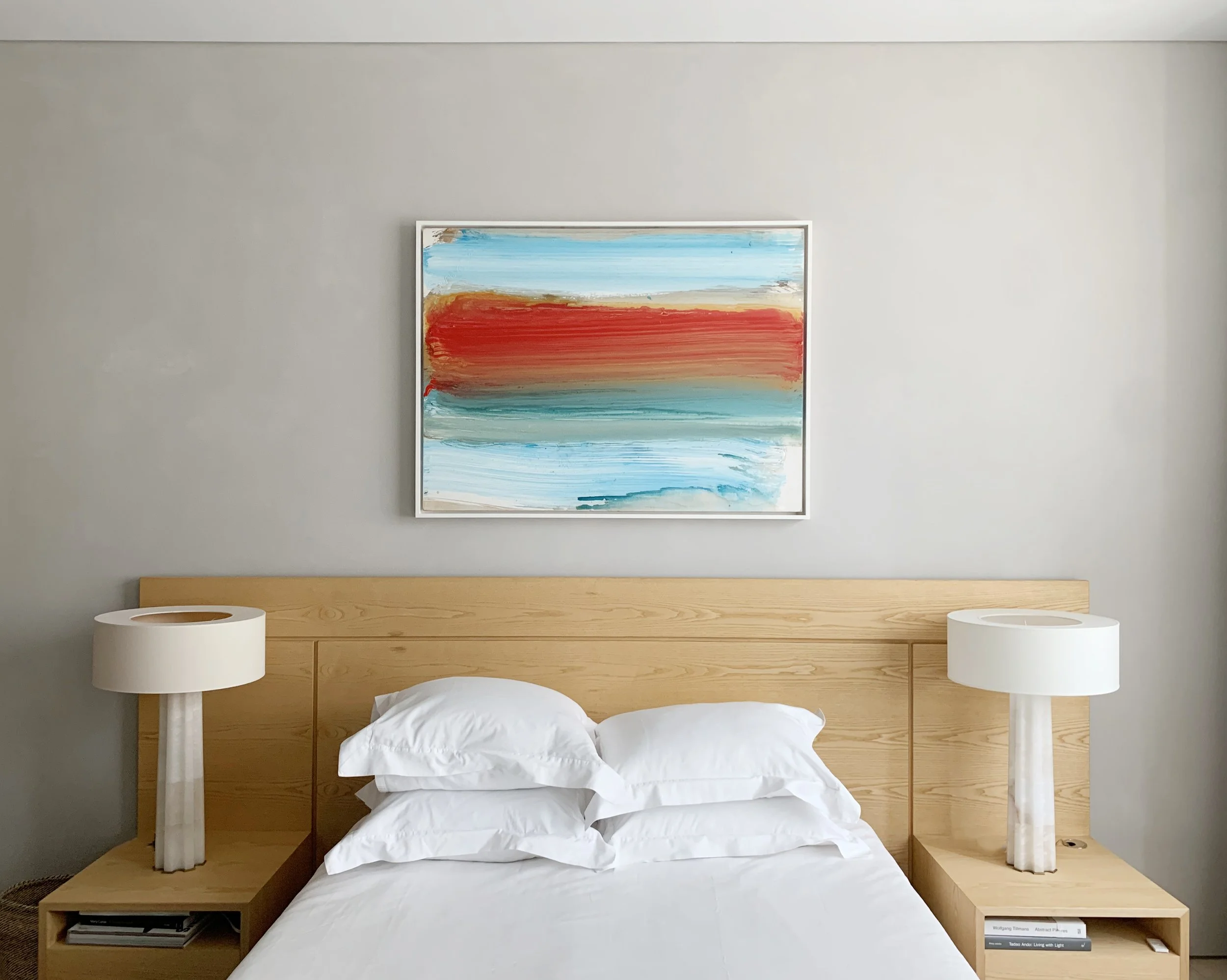
Ed Clark
Untitled (New York Series), 2004
2. Only Do What Can Be Undone
One of the core principles of conservation framing is reversibility.
Whenever possible, artwork should be attached using methods that can be safely removed in the future without causing damage. Traditional Japanese paper hinges made from handmade paper and wheat starch paste have been used by conservators for generations because they are strong, stable, and reversible. Another safe option are corners made from cotton rag paper.
The artwork should also be allowed to expand and contract naturally as environmental conditions change. Framing systems that restrict movement can create stress and lead to long term damage.
Photography is one notable exception. Contemporary photographs are often mounted to rigid substrates such as museum board and Dibond to achieve a super flat, precise presentation. In museum-quality mounting, a paper-based museum board is adhered to the Dibond first, creating an intermediary layer between the photograph and the aluminum panel. While removal is still a complex conservation procedure, this construction offers a greater possibility of future treatment than mounting a photograph directly to Dibond.
As with all framing decisions, the goal is to balance preservation, presentation, and the artist's intent.
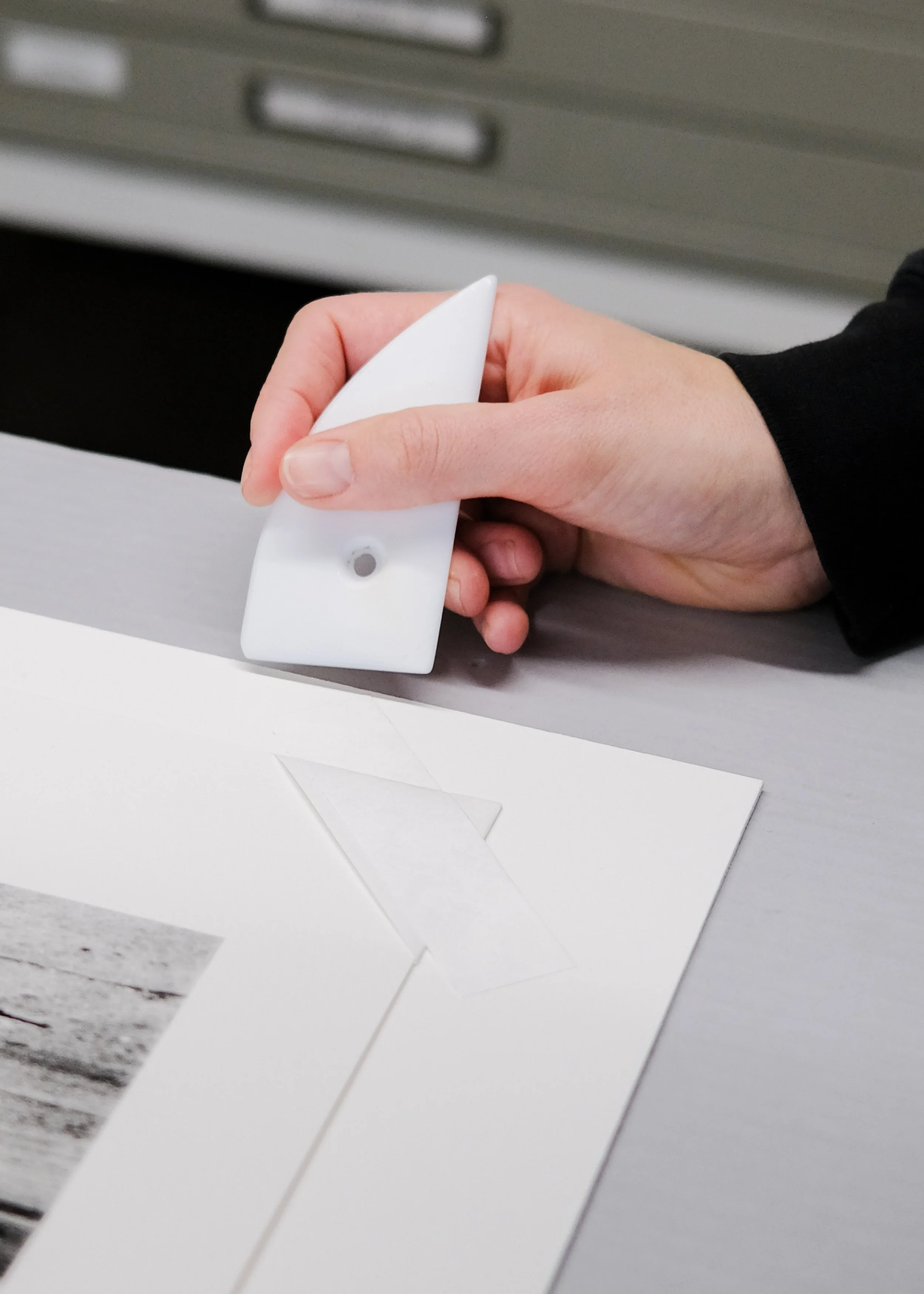
a cotton rag corner being burnished in place with archival Tyvek tape
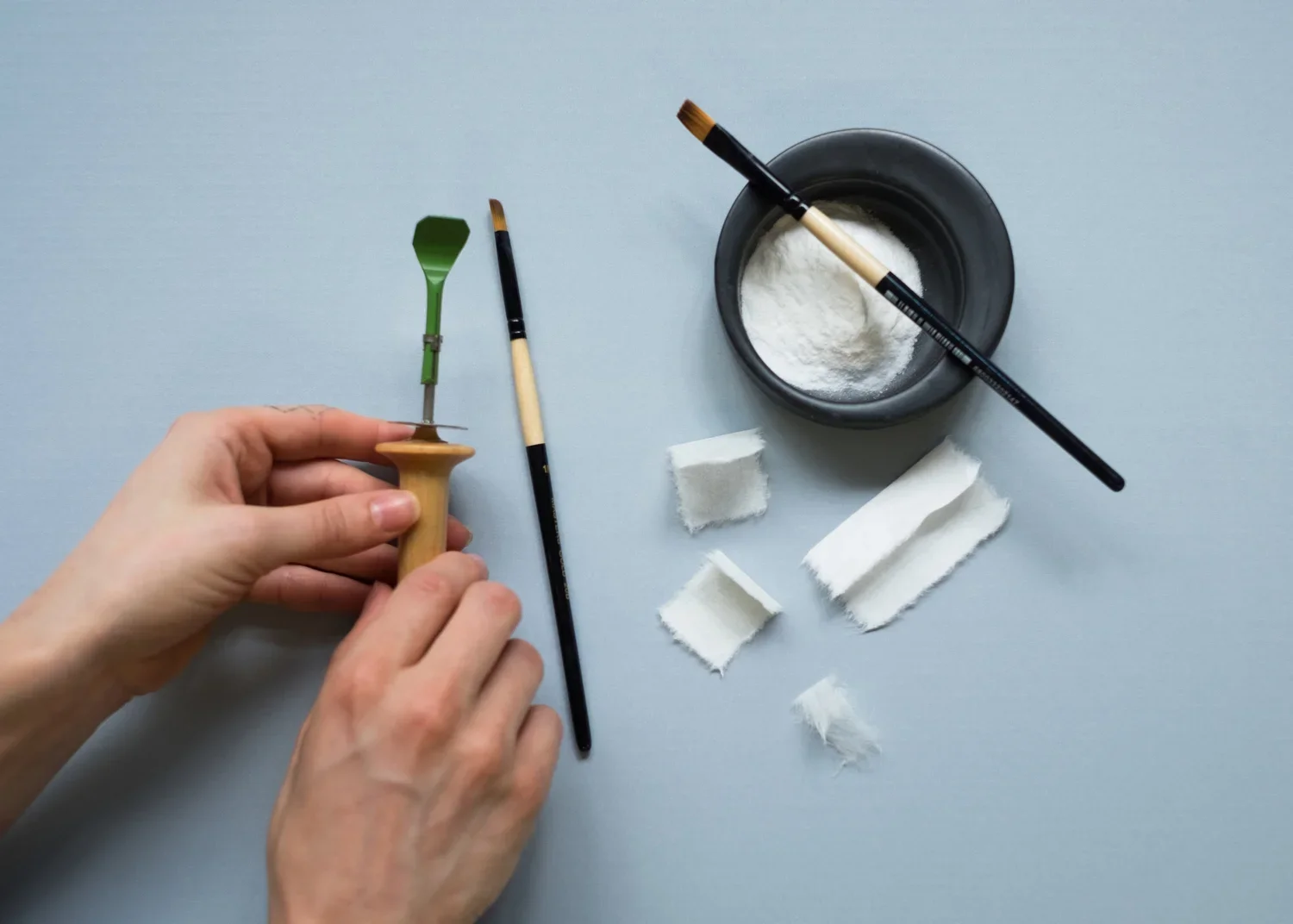
rice paper hinges, wheat starch, and a tacking iron for applying BEVA
3. Use 100% Cotton Rag Matboard
Not all matboard is created equal.
For museum quality framing, we only use 100% cotton rag matboard. Cotton fibers are naturally stable and have a long track record in preservation framing, and unlike wood based papers, will not yellow.
Many lower cost matboards are made from wood pulp. While some are buffered and marketed as acid free, cotton rag remains the preferred choice for long term preservation because of its stability and durability over time.
Matboard is usually the only material in direct contact with artwork. Choosing the right board matters.
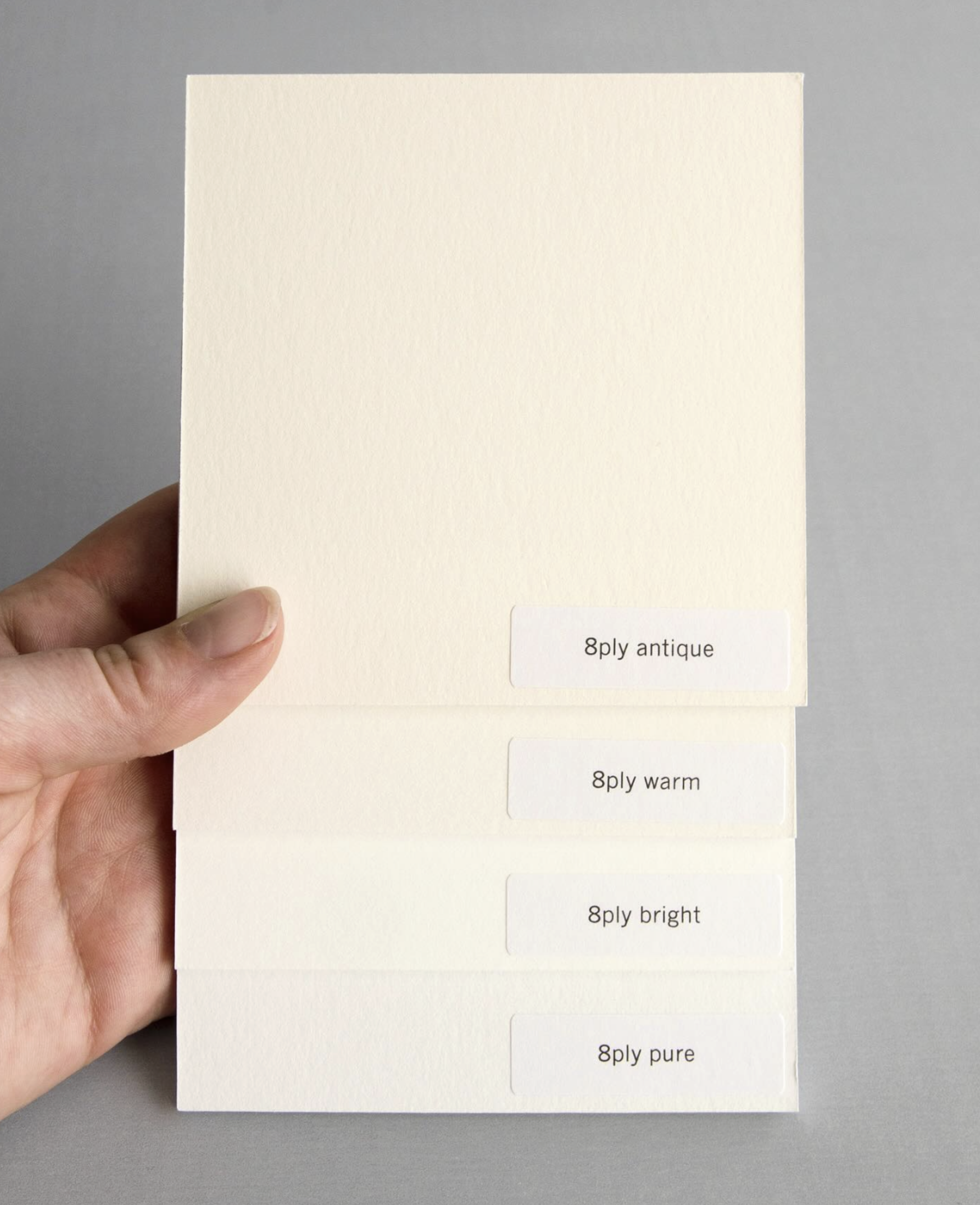
100% cotton rag Museum Board samples
4. Always Use UV Protective Glazing
Glazing refers to the acrylic or glass placed in front of the artwork.
Light damage is cumulative and irreversible. Even artwork displayed away from direct sunlight is exposed to ultraviolet radiation over time. For that reason, we recommend glazing that blocks at least 90% of UV light whenever possible.
Today's museum grade acrylics offer excellent clarity, reduced weight, and improved safety compared to glass. The industry standard is Optium Acrylic, which combines exceptional UV protection with an anti reflective and abrasion resistant coating.
A more economical option is UV filtering acrylic such as UVOP3, which still provides excellent UV protection. Because acrylic can generate static, it is generally not recommended for friable media such as pastel, charcoal, or other heavily pigmented works.
It is worth noting that paintings have traditionally been displayed without glazing. Unlike works on paper, photographs, and other sensitive media, oil and acrylic paintings are often exhibited uncovered. However, glazing can be beneficial in environments with elevated airborne particles, such as kitchens, dining areas, or heavily trafficked spaces. In these situations, a protective layer can help shield the painted surface from grease, dust, smoke, and other contaminants that can be difficult to remove over time.
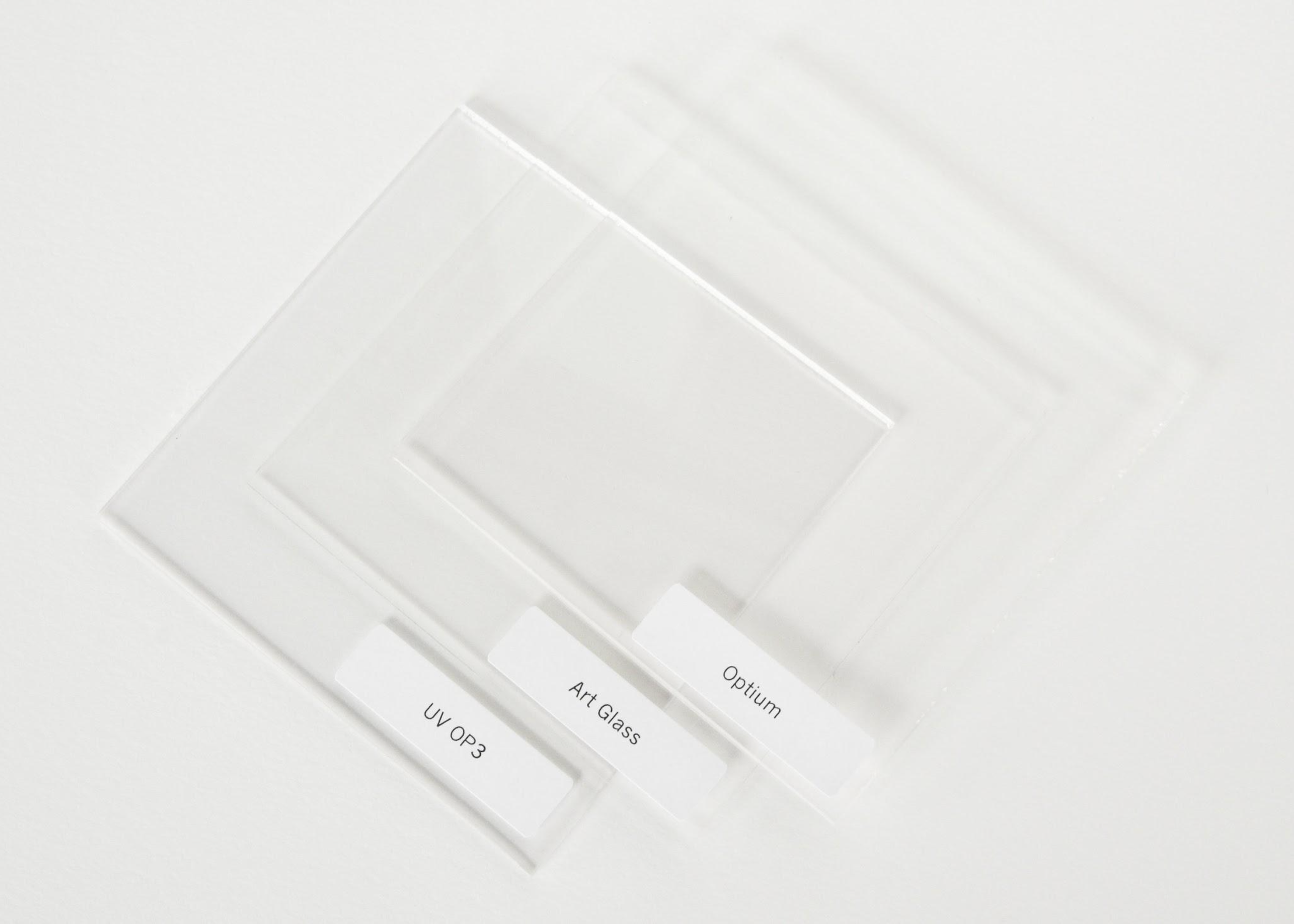
a few UV protecting glazing options
5. Never Allow Artwork to Touch the Glass or Plexi
This is one of the most important rules in framing.
Artwork should never come into direct contact with glass or acrylic. Over time, moisture and environmental fluctuations can cause the artwork to adhere to the glazing, resulting in permanent damage.
To prevent this, a space must be created between the artwork and the glazing. Traditionally, this is achieved with a window mat. In contemporary framing, spacers are also commonly used, particularly for float mounted works on paper.
Whether through a mat or a spacer, maintaining separation is essential to the long term preservation of the artwork.
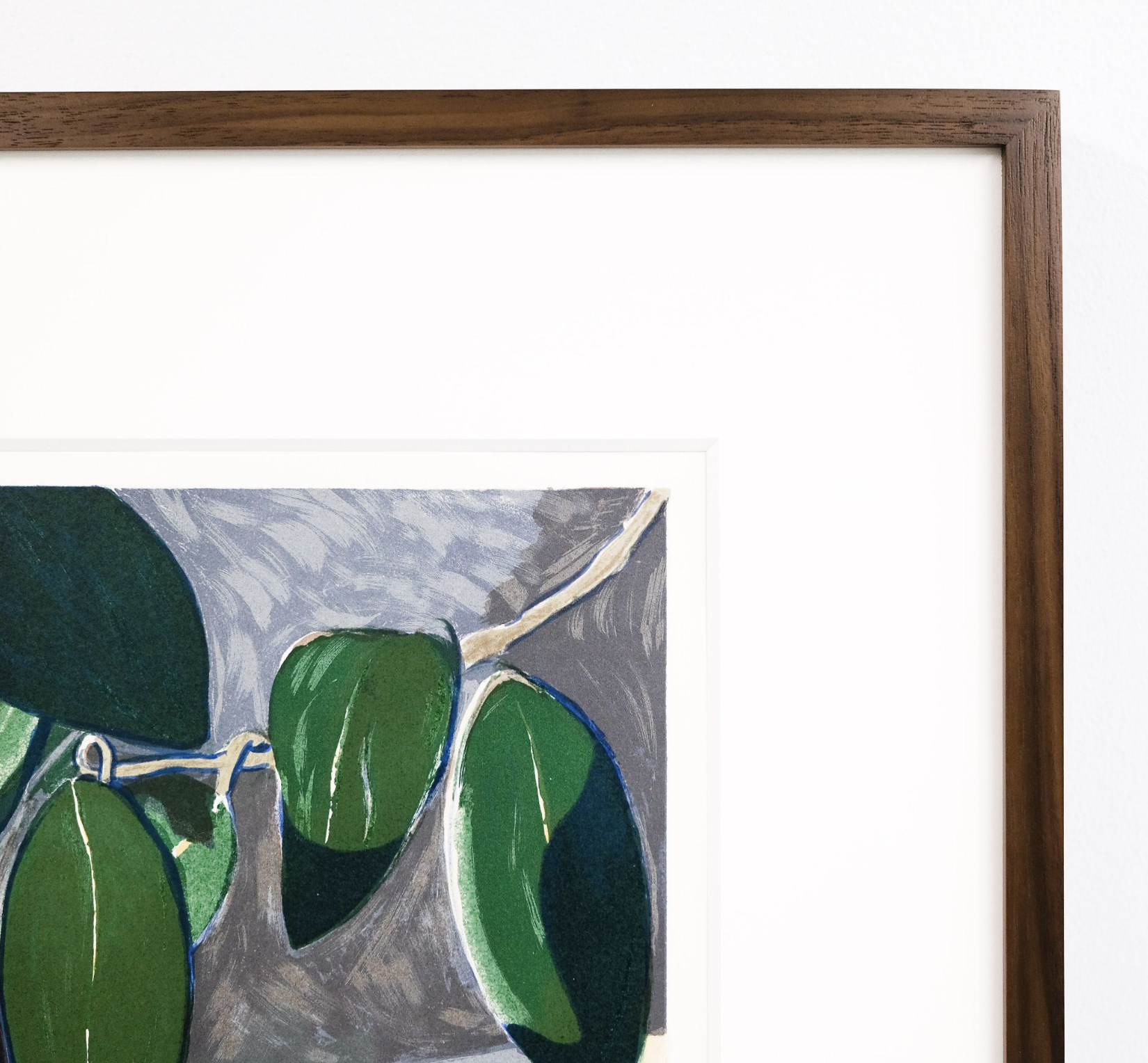
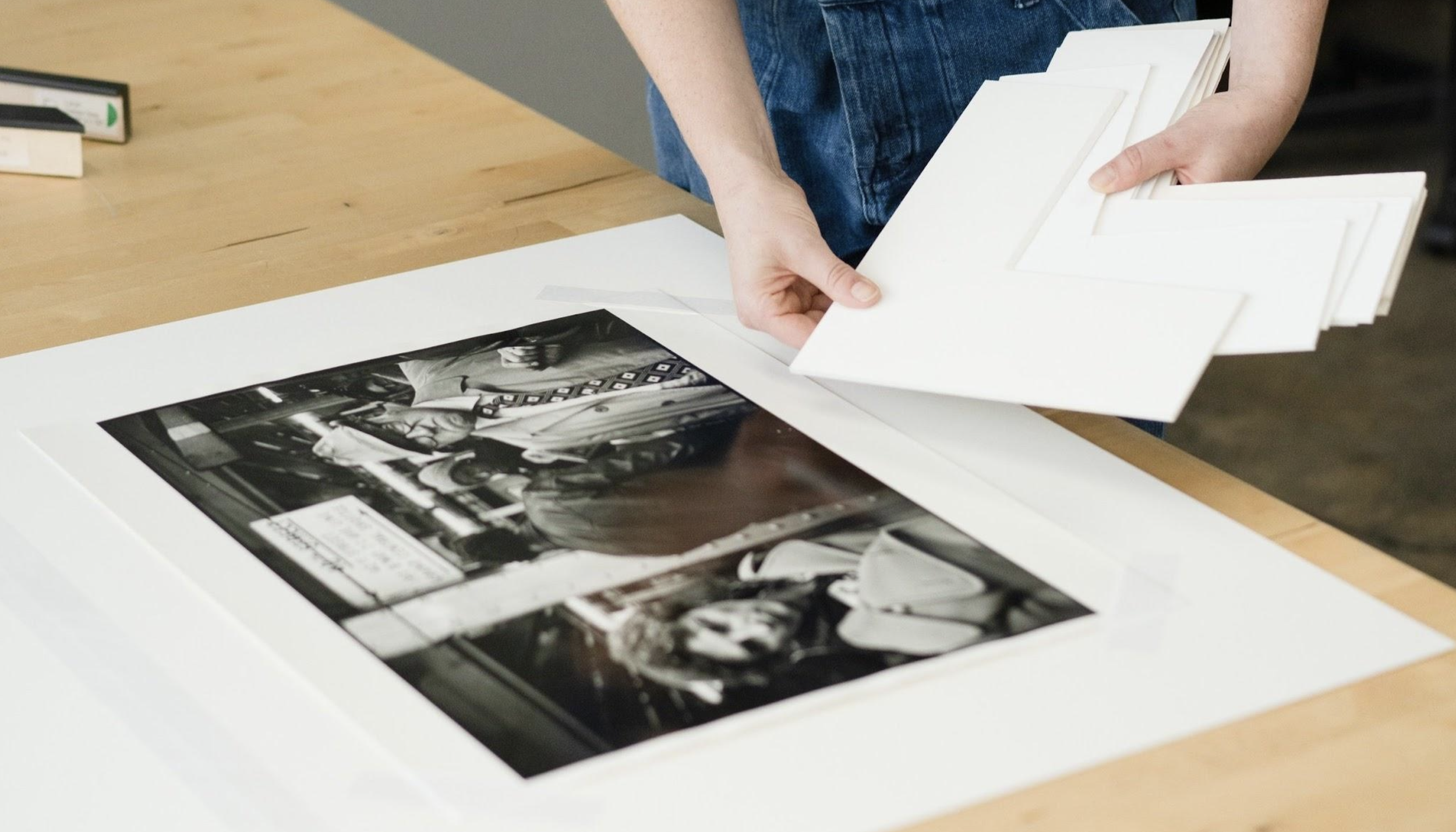
an Alice Neel lithograph is separated from the glazing with an 8ply Museum Board matboard
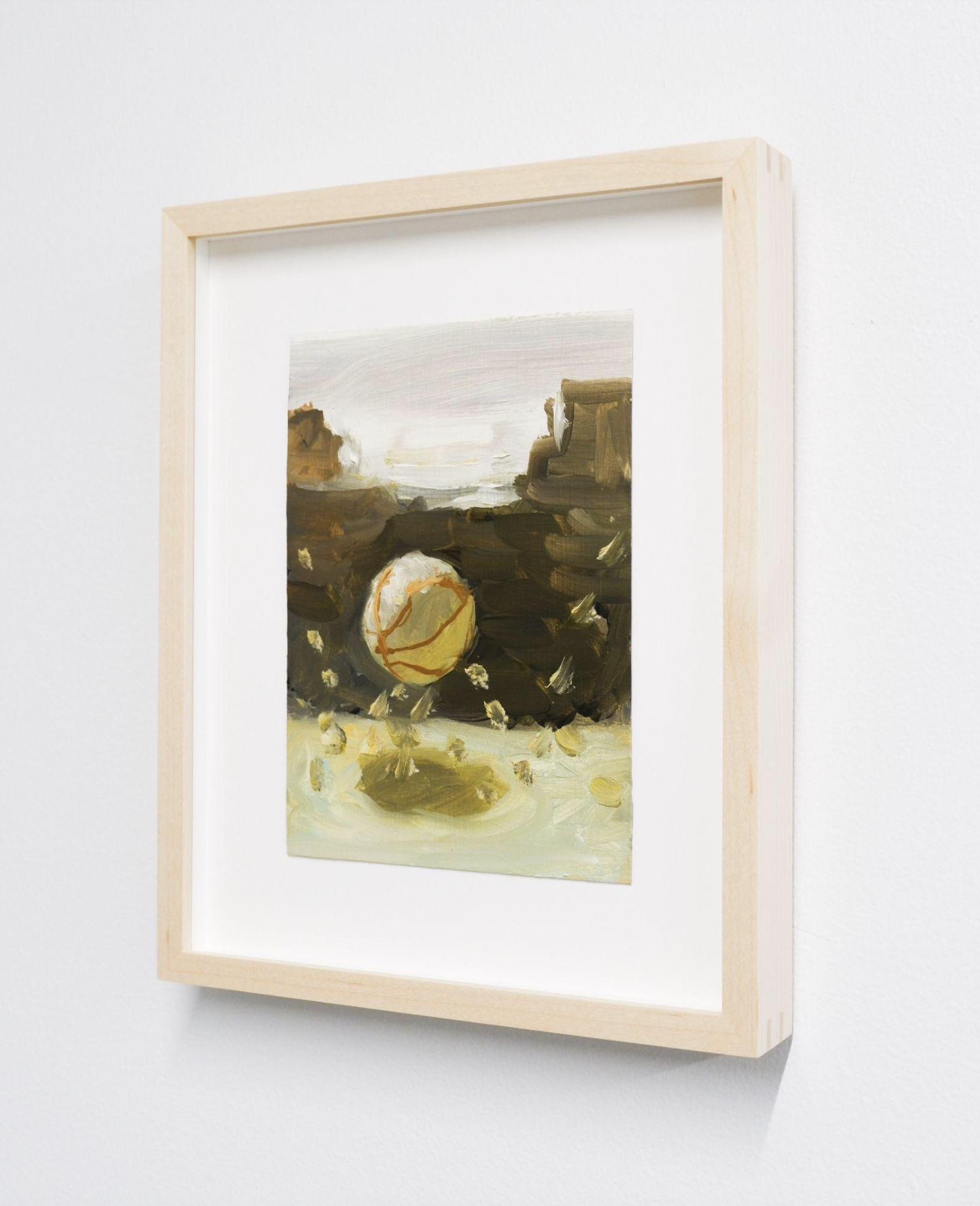
an Owen Westburg painting is separated in the frame from the glazing with a Museum Board spacer
Want to Learn More?
Framing terminology can be confusing, and every artwork presents its own set of considerations. Understanding a few basic principles can help you make informed decisions and better protect your collection. We have a section on their website with more information and useful terms.